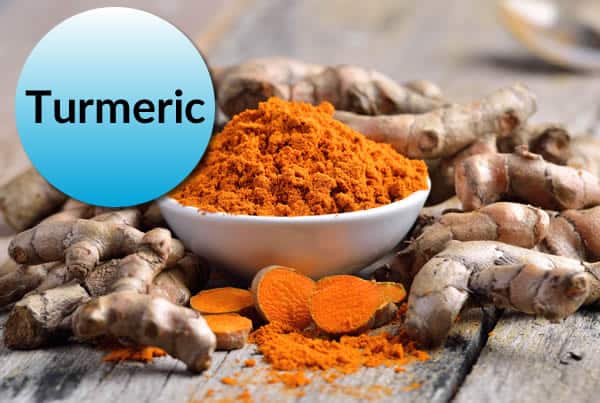
If you enjoy curry then youre no stranger to turmeric, the eastern spice named for its distinctive yellow-orange color. It has an equally distinctive flavor, perfect for livening up salad dressings, marinades, egg dishes, macaroni and cheese, and even pancakes! Turmeric has recently exploded in popularity thanks to several promising studies touting its medicinal benefits, but the root has actually been a mainstay of natural remedies for thousands of years.
In the ancient world, you might be more likely to associate turmeric with doctors than with chefs. This member of the ginger family was used in India and the Middle East to treat ailments ranging from jaundice to menstrual issues, and from toothaches to chest pains. Recent medical research into turmerics active compound, curcumin, may explain why the spice was used as a medical catch-all. Its a natural anti-inflammatory.
Whats the Deal with Inflammation?
Your bodys inflammatory process is a miracle of nature. It helps to identify and then fight foreign bacteria. Without it, your immune system would be fatally compromised. Unfortunately, when inflammation becomes chronic, major problems ensue. Long-term inflammation is associated with dozens of diseases, including heart disease, cancer, Alzheimers and rheumatoid arthritis.
According to Dr. Barbara Delage, a nutrition scientist with the Linus Pauling Institutes Micronutrient Information Center, It has become increasingly clear that oxidative stress and inflammation contribute to the development and/or progression of most (if not all) chronic conditions. This explains why an anti-inflammatory drug that works to treat a specific disease might also help treat other inflammatory conditions. Thats why Delage is studying curcumin, which seems to target specific molecular pathways involved in inflammation and oxidative stress.
Unlike synthetic anti-inflammatories, which can cause internal bleeding and lowered white blood cell counts, turmeric is non-toxic. Its also just plain healthy. Not only does it contain potassium, magnesium, Vitamin C, Vitamin B6, and iron, it can also improve skin conditions like eczema and psoriasis, reduce congestion, and help your body digest fats.
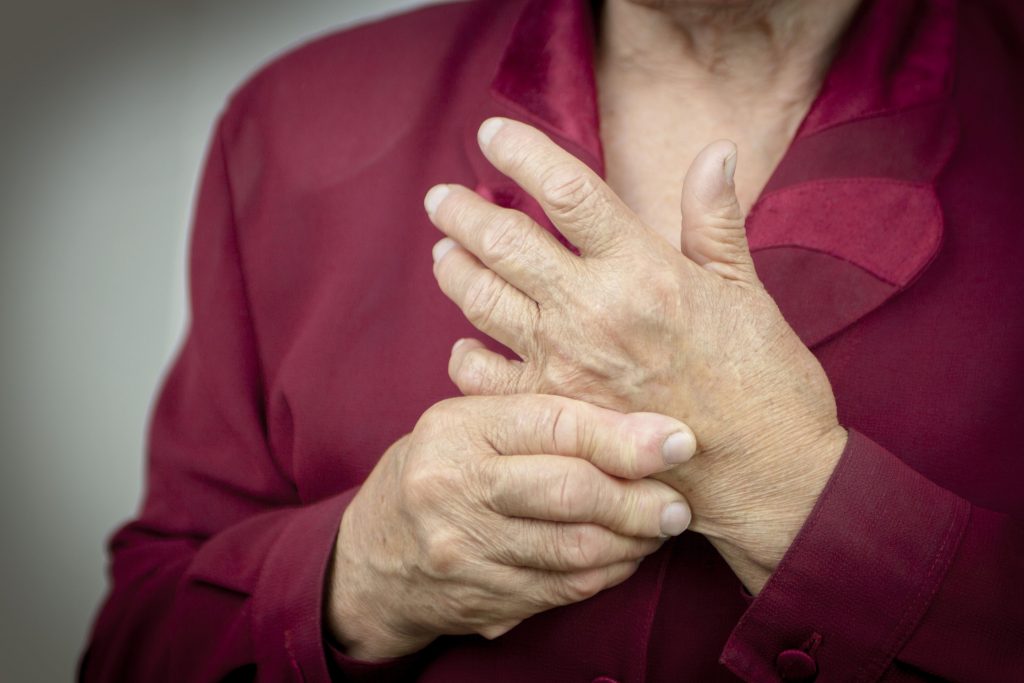
Curcumins benefits may extend well beyond easier digestion. Sufferers of osteoarthritis have reported a reduction in pain and an increase in mobility after adding 200 milligrams of curcumin to their diet, and its potential neuroprotective qualities have led researchers to study its effects on Parkinsons patients.
Getting to the Heart of the Matter
High blood pressure causes changes in the lining and structure of vascular walls. When your veins have to work harder to pump your blood, you run a greater risk of suffering heart disease and stroke. Adding turmeric to your diet may lower this risk by reducing inflammation around your heart and arteries, and early research on animals suggests that turmeric may also lower levels of total cholesterol, LDL and triglycerides.
Spice, Spice, Baby
Have you heard about Turmeric 95? The supplement contains 95% curcumin the highest level on the market today. By combining Bioperine®, a proprietary form of black pepper, with the strongest form of turmeric, the supplement enables your body to absorb up to 20 times more turmeric into your bloodstream.
Great for your liver, gallbladder and digestive system, it also protects the cell lining of your blood vessels, heart and lymphatic vessels. Visit Natural Wellness's page on Turmeric 95 today to learn more about its superior protection.


 In the ancient world, you might be more likely to associate turmeric with doctors than with chefs. This member of the ginger family was used in India and the Middle East to treat ailments ranging from jaundice to menstrual issues, and from toothaches to chest pains. Recent medical research into turmerics active compound, curcumin, may explain why the spice was used as a medical catch-all. Its a natural anti-inflammatory.
 According to Dr. Barbara Delage, a nutrition scientist with the Linus Pauling Institutes Micronutrient Information Center, It has become increasingly clear that oxidative stress and inflammation contribute to the development and/or progression of most (if not all) chronic conditions. This explains why an anti-inflammatory drug that works to treat a specific disease might also help treat other inflammatory conditions. Thats why Delage is studying curcumin, which seems to target specific molecular pathways involved in inflammation and oxidative stress.
Unlike synthetic anti-inflammatories, which can cause internal bleeding and lowered white blood cell counts, turmeric is non-toxic. Its also just plain healthy. Not only does it contain potassium, magnesium, Vitamin C, Vitamin B6, and iron, it can also improve skin conditions like eczema and psoriasis, reduce congestion, and help your body digest fats.
Curcumins benefits may extend well beyond easier digestion. Sufferers of osteoarthritis have reported a reduction in pain and an increase in mobility after adding 200 milligrams of curcumin to their diet, and its potential neuroprotective qualities have led researchers to study its effects on Parkinsons patients.
According to Dr. Barbara Delage, a nutrition scientist with the Linus Pauling Institutes Micronutrient Information Center, It has become increasingly clear that oxidative stress and inflammation contribute to the development and/or progression of most (if not all) chronic conditions. This explains why an anti-inflammatory drug that works to treat a specific disease might also help treat other inflammatory conditions. Thats why Delage is studying curcumin, which seems to target specific molecular pathways involved in inflammation and oxidative stress.
Unlike synthetic anti-inflammatories, which can cause internal bleeding and lowered white blood cell counts, turmeric is non-toxic. Its also just plain healthy. Not only does it contain potassium, magnesium, Vitamin C, Vitamin B6, and iron, it can also improve skin conditions like eczema and psoriasis, reduce congestion, and help your body digest fats.
Curcumins benefits may extend well beyond easier digestion. Sufferers of osteoarthritis have reported a reduction in pain and an increase in mobility after adding 200 milligrams of curcumin to their diet, and its potential neuroprotective qualities have led researchers to study its effects on Parkinsons patients.
 High blood pressure causes changes in the lining and structure of vascular walls. When your veins have to work harder to pump your blood, you run a greater risk of suffering heart disease and stroke. Adding turmeric to your diet may lower this risk by reducing inflammation around your heart and arteries, and early research on animals suggests that turmeric may also lower levels of total cholesterol, LDL and triglycerides.