

Why Proactive Aging Starts With the Right Supplement Strategy
Proactive aging means supporting your body's long-term function before problems appear. At Natural Wellness, we have spent nearly three decades formulating supplements with long-term wellness in mind. The right supplement strategy can help address nutritional gaps, support normal body functions, and complement the healthy habits that become increasingly important with age.
Nutrient needs shift as you get older, and a routine built for a 25-year-old rarely fits a 65-year-old. Below, we explore six supplements that may support different aspects of healthy aging, what the research tells us, and how to determine which might be appropriate for your individual needs.
Reactive aging waits for a diagnosis; proactive aging builds habits and nutrient intake that support healthy lifespan over decades, including diet, exercise, stress management, and targeted supplementation where diet falls short.
One honest caveat: supplements support normal function. They do not treat, cure, or prevent disease. Anyone managing a health condition should talk with their healthcare provider before adding anything new.
Quick Comparison: Best Natural Supplements for Proactive Aging
|
Supplement |
Primary Support |
Form That Matters |
Best For |
|---|---|---|---|
|
Bone health, calcium metabolism immune function |
D3 + K2 |
Low sun exposure, bone concerns, adult with specific nutritional needs |
|
|
Super Omega-3 Fish Oil |
Heart health, normal brain function |
600mg EPA / 400mg DHA |
Most adults, heart focus, those with limited fatty fish intake |
|
Magnesium Glycinate |
Muscle and nerve function, sleep, stress |
Glycinate |
Poor sleep, tension, stress, those with inadequate magnesium intake |
|
Ubiquinol CoQ10 |
Cellular energy production, antioxidant activity |
Ubiquinol |
Adults over 40, heart focus |
|
Clinical Multi-Vitamin |
Daily nutrient gaps |
Iron-free, liver-aware |
Broad daily coverage |
|
Creatine |
Muscle strength, exercise performance |
Creatine monohydrate |
Adults doing resistance training |
1. Vitamin D3 + K2: Supporting Bone Health and Immune Function
Vitamin D and vitamin K both play important roles in maintaining healthy bones. Vitamin D helps the body absorb calcium and supports normal immune function, while vitamin K is involved in activating proteins necessary for bone metabolism. Although researchers continue to investigate the benefits of combining these nutrients, maintaining adequate levels of both is important for overall health. Our Vitamin D3 + K2 provides both nutrients in one convenient formula, with every batch tested for purity.

2. Super Omega-3 Fish Oil: Omega-3 Fatty Acids for Heart and Brain
Omega-3 fatty acids, particularly EPA and DHA, have been extensively studied for their roles in cardiovascular health and normal brain function. Their potential benefits for other aspects of healthy aging, including joint health, continue to be investigated.
Our Super Omega-3 Fish Oil delivers 600mg of EPA and 400mg of DHA per serving, sourced from sardines and anchovies, small fish lower on the food chain that are less likely to carry environmental pollutants.
The FDA has evaluated data on omega-3s and coronary heart disease and determined that while scientific evidence supports the claim, it is not conclusive.
3. Magnesium Glycinate: The Mineral Most Adults Fall Short On
Magnesium is essential for hundreds of biochemical processes, including normal muscle and nerve function, energy production, and bone health. Yet many adults consume less magnesium than recommended through their diets. Magnesium glycinate combines magnesium with the amino acid glycine and is often chosen for its tolerability. Our vegan Magnesium Glycinate provides a convenient way to supplement dietary magnesium, with every batch tested for purity and potency.

4. Ubiquinol CoQ10: Cellular Energy and Antioxidant Defense
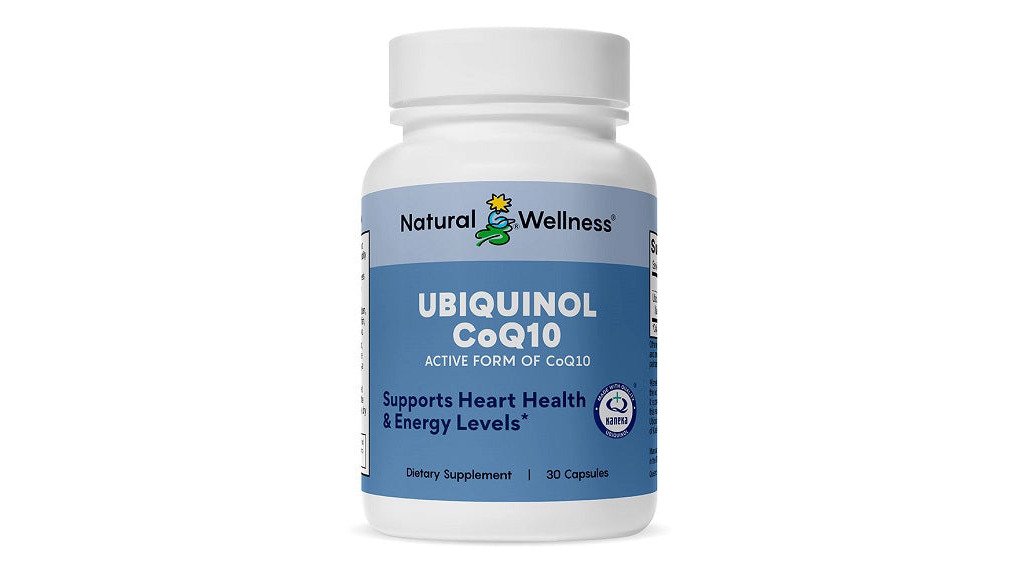
Coenzyme Q10 (CoQ10) is a naturally occurring compound involved in cellular energy production and antioxidant activity. It is found throughout the body, particularly in organs with high energy demands, such as the heart, brain, kidneys, and liver. CoQ10 levels in some tissues may decline with age, although researchers are still investigating what this means for long-term health. Ubiquinol is the reduced form of CoQ10 and plays an important role in the body's antioxidant defenses. Natural Wellness Ubiquinol CoQ10 features Kaneka Ubiquinol, a well-established ingredient used in CoQ10 supplements.
5. Clinical Multi-Vitamin: Filling Nutrient Gaps Without Iron
A multi-vitamin may not be glamorous, but it can be a practical way to help fill nutritional gaps when your diet doesn't consistently provide all the vitamins and minerals you need. However, not every formula is appropriate for everyone. Our Clinical Multi-Vitamin was developed with the nutritional needs of individuals with liver health concerns in mind. Its iron-free formulation provides broad nutritional support without adding supplemental iron, which may not be appropriate for everyone.

6. Creatine: Supporting Muscle Strength and Healthy Aging
Maintaining muscle strength becomes increasingly important as we age. Creatine is a naturally occurring compound that helps muscles produce energy during short bursts of physical activity, such as lifting weights or climbing stairs. Although the body produces creatine and obtains some from foods like meat and fish, supplementation can increase the amount stored in muscles.
Research suggests that creatine supplementation, particularly when combined with resistance training, may help older adults improve muscle strength and lean body mass. Creatine monohydrate is the most extensively studied form, with research supporting its role in improving performance during high-intensity exercise. However, creatine is not a substitute for regular physical activity, adequate protein intake, or a balanced diet.
Supplements for Healthy Aging: How to Build a Daily Routine
A daily routine works best when it is simple enough to repeat without thinking. The most common mistake we see is people buying five products, taking them inconsistently for two weeks, and concluding supplements do not work.
But a routine is only as good as the doses and timing behind it. Below: typical evidence-informed dose ranges, when timing matters, and how to personalize the stack to your own diet, labs, and goals.
Typical dose ranges to look for
The FDA establishes Daily Values (DVs) to help consumers understand recommended nutrient intake. For adults and children ages 4 and older, the Daily Value for vitamin D is 20 mcg (800 IU), vitamin K is 120 mcg, and magnesium is 420 mg. These values represent general nutritional reference amounts from food and supplements combined, not necessarily the amount someone needs to take in supplement form.
Other nutrients and compounds, including omega-3 fatty acids (EPA and DHA), CoQ10, and creatine, do not have established FDA Daily Values. Research commonly examines 250–500 mg of combined EPA and DHA daily for general cardiovascular health, while creatine studies often use 3–5 grams of creatine monohydrate daily, particularly alongside resistance training. CoQ10 supplementation varies depending on the intended purpose, and there is no universally recommended daily dose.
When timing actually matters
Timing is not everything, but a few patterns matter:
Fat-soluble nutrients such as vitamins D and K, along with CoQ10, absorb better when taken with a meal containing fat rather than on an empty stomach. Magnesium is often taken in the evening if sleep or relaxation is the goal, though results vary: some people find it helps, others notice no difference, and glycinate is a common choice because it is gentle on the stomach. Omega-3 is best taken with a meal too, which reduces fishy aftertaste and supports absorption, and enteric-coated softgels can further reduce reflux. Creatine can generally be taken at any convenient time of day. For most people using creatine as part of a resistance-training routine, consistent daily intake is more important than taking it immediately before or after exercise.
Personalize before you stack
The same six-supplement routine is not right for everyone. A few questions narrow it down:
What does your diet already cover? People who eat fatty fish twice a week may not need high-dose omega-3, while those who eat plenty of leafy greens and nuts may already get substantial magnesium. What do your labs show? Vitamin D, B12, ferritin, and a basic metabolic panel can reveal genuine gaps, and measuring beats guessing. What medications are you on? This shapes which supplements are appropriate at all (see the safety section). What is your primary goal? Bone support, sleep, cardiovascular health, and energy each point toward different priorities. What is your age and life stage? Needs shift across decades, and pregnancy, menopause, and older age each change the picture.
A reasonable starting point for many adults is a multi-vitamin plus one or two targeted nutrients chosen for a specific goal, not all six at full dose.
A simple structure to adapt might look like this: a multi-vitamin with breakfast in the morning, an omega-3 with lunch at midday, and magnesium glycinate before bed in the evening.
Consistency beats intensity. A modest routine you follow daily will do more than an ambitious one you abandon.
Lifestyle foundations come first, though. Supplements support normal function, they do not replace the basics. Sleep, regular movement, a diet rich in vegetables, fruit, fiber, and protein, and routine preventive care do more for healthy aging than any pill. Supplements fill specific gaps, not the foundation.
Supplement Safety and Interactions: What to Check First
Most supplement guides end safety advice at "consult your doctor." That is good advice, but not enough to act on. Below are the specific interactions, upper limits, and contraindications worth knowing before you add anything.
Interactions to know before you stack
Even natural compounds can change how prescription drugs behave. A few patterns recur:
Vitamin K and warfarin, or similar blood thinners, are one pattern: warfarin works by interfering with vitamin K-dependent clotting factors, so sudden changes in vitamin K intake, including from K2 supplements, can affect how well the medication works, and anyone on warfarin should talk with their prescriber before adding K2. Omega-3 fatty acids and antiplatelet or anticoagulant drugs are another: high-dose fish oil may have mild blood-thinning effects, and while some evidence suggests this is modest at typical doses, the combination with aspirin, clopidogrel, or anticoagulants is worth flagging to your clinician. Vitamin E and blood thinners follow the same pattern, since vitamin E also has mild antiplatelet activity, and high doses combined with anticoagulants or antiplatelets may increase bleeding risk.
A practical habit: keep a written list of everything you take, prescriptions, over-the-counter drugs, and supplements, with doses. Bring it to every appointment. Pharmacists are often the fastest resource for interaction checks.
Upper limits and the risk of doubling up
More is not better with micronutrients. Several have established tolerable upper intake levels (ULs):
Vitamin D has an established tolerable upper intake level of 4,000 IU per day for most adults, although higher amounts may sometimes be prescribed under medical supervision. Excessive vitamin D intake can lead to elevated blood calcium levels and other complications. Preformed vitamin A has an adult upper limit of 3,000 mcg RAE per day, and excessive intake over time may negatively affect liver and bone health. These limits apply to total intake from relevant dietary and supplemental sources, not just individual supplement products.
Fat-soluble vitamins (A, D, E, K) accumulate in the body, so stacking a multi-vitamin with individual high-dose products is the most common way people accidentally exceed a UL. Add up totals across every product before you buy.
Some groups warrant extra caution. People with kidney disease should treat supplement decisions as clinician-guided, since impaired kidney function can affect how the body handles magnesium, potassium, and certain vitamins. People with liver conditions deserve extra scrutiny around high-dose fat-soluble vitamins, because the liver stores and processes many nutrients, including vitamins A, D, E, and K. And people on multiple medications face a higher chance of interaction, simply because there are more prescriptions in the mix.
Creatine is generally well tolerated by healthy adults when used at commonly studied doses, although some people experience temporary weight gain from increased water retention or mild digestive discomfort. People with kidney disease or impaired kidney function should consult their healthcare provider before taking creatine. Although research has not demonstrated significant kidney damage from typical creatine use in healthy adults, individual health circumstances and medications should always be considered.
Ingredient safety is only half the picture, though. Product quality is the other half, and a few signals help you judge it. Independent testing and certification programs, including those offered by organizations such as USP and NSF, can help verify ingredient identity, labeled amounts, and compliance with applicable contaminant limits. The specific assurances depend on the testing or certification program. cGMP manufacturing means the facility follows Current Good Manufacturing Practices and documented quality controls. And an FDA-registered facility does not mean the product itself is FDA-approved, but it does mean the facility has notified the agency and is subject to inspection.
Our full range is manufactured under cGMP regulations in an FDA-registered facility, and every batch is tested.
Anti-Aging Vitamins vs. Whole-Body Support: Setting Realistic Expectations
Anti-aging vitamins get marketed as shortcuts. They are not. Nutrients support normal function, and normal function is what keeps you feeling well over decades.
That distinction shapes how you judge results.
This is why we frame our work around healthy aging rather than anti-aging: the goal is a longer healthspan, supported by nutrition that meets your body where it is now.
How long does it take to notice a difference from supplements?
How quickly someone notices a difference depends on the supplement, their nutritional status, and what they hope to achieve. Correcting a documented deficiency may produce noticeable improvements, while other supplements support normal physiological functions without producing an obvious change in how someone feels. For creatine, improvements in exercise performance and strength are generally evaluated over several weeks of consistent use, often alongside resistance training.
Can I take all six of these supplements together?
Taking multiple supplements may be appropriate for some adults, but there is no reason to assume everyone needs all six. A multi-vitamin combined with one or two targeted supplements may be sufficient, depending on dietary intake and individual needs. Review potential interactions, overlapping ingredients, and total nutrient amounts with your healthcare provider before combining products.
Frequently Asked Questions
What are the best natural supplements for healthy aging?
The best supplements for healthy aging depend on individual nutritional needs and health goals. Vitamin D and magnesium help maintain normal bone, muscle, and nerve function, while omega-3 fatty acids play important roles in cardiovascular and brain health. Creatine may help support muscle strength and exercise performance, particularly when combined with resistance training. CoQ10 contributes to cellular energy production, and a multi-vitamin can help fill dietary gaps. Not everyone needs all of these supplements.
Can supplements slow the effects of aging?
No supplement has been proven to reverse the aging process. However, certain nutrients and compounds can support normal physiological functions that become increasingly important with age. For example, adequate vitamin D supports bone health, while creatine combined with resistance training may help improve muscle strength. Supplements are most useful when they address specific nutritional needs or complement established healthy habits. Think of supplements as one part of a broader healthy aging approach, not a standalone fix.
How can I choose a safe supplement for healthy aging?
Look for supplements produced under current Good Manufacturing Practices (cGMP), with quality control procedures and testing to help ensure ingredient identity, purity, and potency. Reputable supplement companies should also provide clear labeling, including ingredient information, serving sizes, appropriate usage instructions and contact information.
What are the most important anti-aging vitamins and minerals?
Vitamin D, magnesium, calcium, and certain B vitamins are particularly important to consider as we age. Vitamin D and calcium support bone health, while magnesium contributes to normal muscle and nerve function. Vitamin B12 deserves attention because absorption from food may decrease with age. The most appropriate supplements depend on dietary intake, individual risk factors, and any documented deficiencies.
What is the difference between ubiquinol and ubiquinone?
Ubiquinol and ubiquinone are two forms of coenzyme Q10 that the body naturally converts between. Ubiquinol is the reduced form and functions as an antioxidant, while ubiquinone plays a role in cellular energy production. Some studies suggest ubiquinol formulations may produce higher blood CoQ10 levels under certain conditions, although higher blood levels do not necessarily establish better health outcomes.
A Proactive Approach to Healthy Aging
Aging well isn't about finding one miracle supplement. It's about making informed choices that support your body's changing needs over time. Good nutrition, regular physical activity, quality sleep, and preventive healthcare provide the foundation, while targeted supplements can help fill nutritional gaps and support specific wellness goals.
For nearly three decades, Natural Wellness has focused on developing quality supplements to complement those healthy habits. Whether you're looking to support bone health, maintain muscle strength, or address nutritional gaps, the right approach starts with understanding what your body needs and making choices that support your long-term well-being.